City guide · Portugal
Lisbon
Seven hills of azulejos, fado, and Atlantic light
March–May & September–October
Euro (EUR)
Portuguese
Europe
The guides
The best of Lisbon, by category
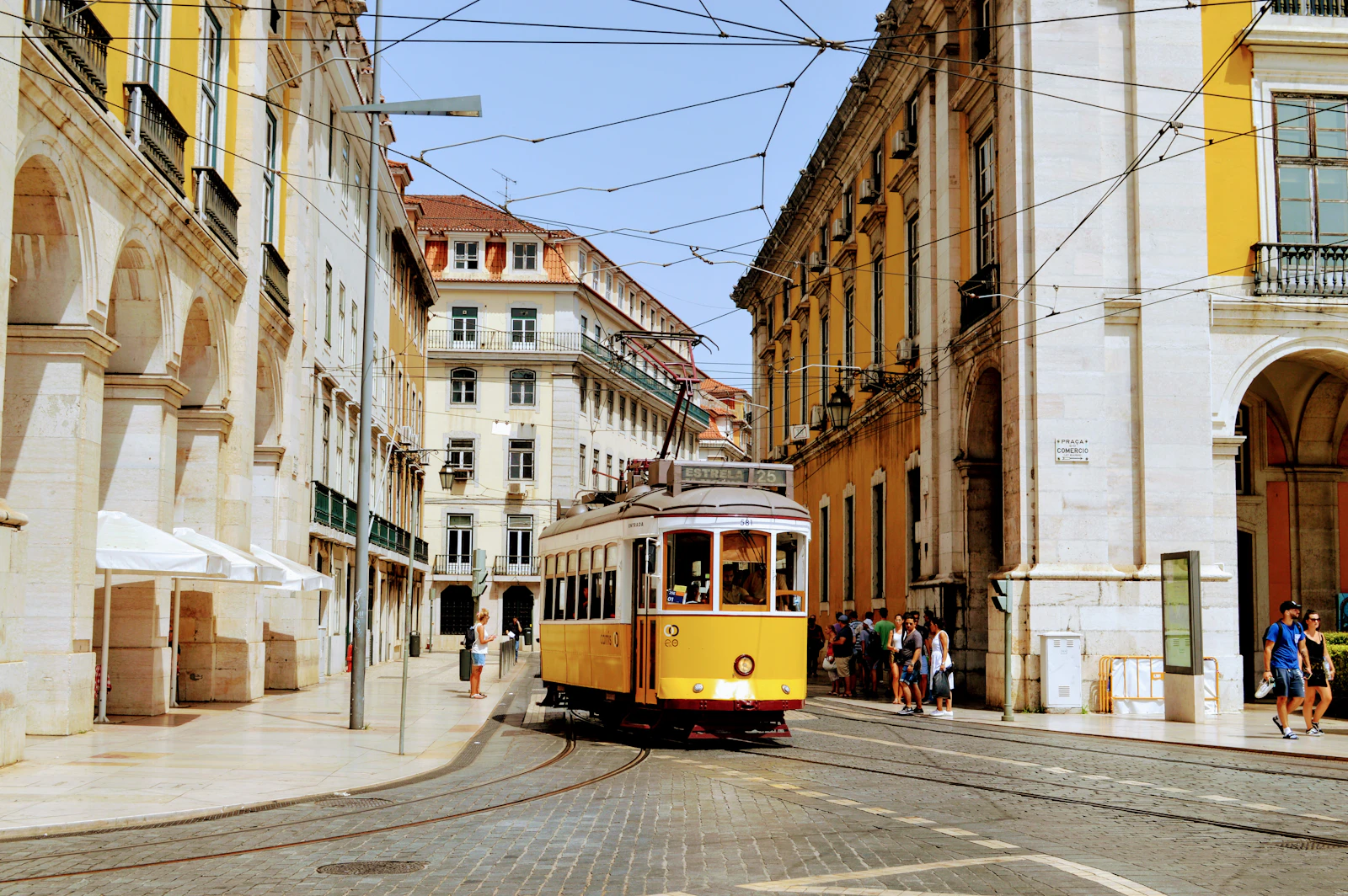
Lisbon climbs from the Tagus estuary across seven hills, its facades clad in painted azulejo tiles and its alleys threaded by yellow Remodelado trams from the 1930s. Rebuilt on a grand grid after the 1755 earthquake, the Baixa and riverfront Praça do Comércio anchor a city that still runs on bica espressos, grilled sardines, and late-night fado in Alfama.
The shortlist
If you only have time for the best
The single highest-rated picks across every category in Lisbon.
Hotels
See all 6- 1
Four Seasons Hotel Ritz Lisbon
Avenidas Novas
4.7★3,000+ reviews - 2
Bairro Alto Hotel
Bairro Alto
4.6★1,500+ reviews - 3
Memmo Alfama Hotel
Alfama
4.6★1,000+ reviews
Restaurants
See all 6- 1
Belcanto
Chiado
4.7★2,000+ reviews - 2
Cervejaria Ramiro
Intendente / Avenida Almirante Reis
4.6★25,000+ reviews - 3
Time Out Market Lisboa
Cais do Sodré
4.5★100,000+ reviews
Bars
See all 6- 1
Red Frog Speakeasy
Avenida da Liberdade / Príncipe Real
4.6★3,000+ reviews - 2
Pavilhão Chinês
Príncipe Real
4.5★3,000+ reviews - 3
Park Bar
Bairro Alto
4.5★7,500+ reviews
Attractions
See all 6- 1
Jerónimos Monastery
Belém
4.7★75,000+ reviews
- 2
Belém Tower
Belém
4.6★50,000+ reviews
- 3
Castelo de São Jorge
Alfama / Castelo
4.5★75,000+ reviews
Where to base yourself
Lisbon neighborhoods, decoded
Pick your area first — it shapes everything else about the trip.
Alfama
Medieval maze with fadoLisbon's oldest quarter survived the 1755 earthquake, so its Moorish street plan still tangles below the castle. Laundry lines, tiny tascas, and fado houses fill lanes too narrow for cars.
Chiado
Elegant literary shopping districtRebuilt by Álvaro Siza after the 1988 fire, Chiado mixes historic shops like the 1732 Bertrand bookstore, the world's oldest operating bookshop, with the opera house and A Brasileira café where poet Fernando Pessoa drank. It is the polished hinge between Baixa and Bairro Alto.
Príncipe Real
Chic, leafy, design-forwardA garden square ringed by 19th-century palacetes now housing concept store Embaixada, antique dealers, and Lisbon's best cocktail bars. Saturdays bring an organic market under the giant umbrella-shaped cedar tree.
Belém
Monumental riverside museum quarterThe launchpad of the Age of Discoveries holds Jerónimos, the Tower, the MAAT museum's swooping ceramic roof, and the original custard tart bakery. It is a half-day minimum, all walkable along the riverfront.
Beyond the city
Day trips worth the ride
Sintra
40 min by train from RossioA UNESCO landscape of romantic palaces in wooded hills, from the candy-colored Pena Palace to the initiation well at Quinta da Regaleira. Go early; it is Portugal's most popular day trip.
Cascais
40 min by train from Cais do SodréA former fishing village turned belle-époque resort with town beaches, the Boca do Inferno cliffs, and a seafront bike path to wild Guincho beach.
Setúbal & Arrábida
50 min by car or 1 hr by trainEat choco frito (fried cuttlefish) at Setúbal's market town, then swim at Praia da Figueirinha beneath the green limestone ridges of Arrábida Natural Park.
Eat like a local
What to order in Lisbon
Pastel de nata
Flaky custard tart with a caramelized, blistered top, eaten warm with cinnamon.
Try it at: Pastéis de Belém (the 1837 original) or Manteigaria in Chiado
Bacalhau à Brás
Salt cod shredded with onions, matchstick fries, and softly scrambled eggs.
Try it at: Laurentina 'O Rei do Bacalhau' near Praça de Espanha
Sardinhas assadas
Whole sardines char-grilled over coals, at their fatty best around the June Santo António festival.
Try it at: Any Alfama grill during the Santos Populares, or Ponto Final across the river
Bifana
Thin pork cutlets simmered in garlic and white wine, stuffed into a soft roll with mustard.
Try it at: O Trevo on Praça Luís de Camões, a Bourdain favorite
Good to know
Lisbon essentials, answered
Three full days covers the core: one for Alfama, the castle, and Baixa; one for Belém's monuments; one for Chiado, Bairro Alto, and Príncipe Real. Add a fourth day for the Sintra day trip, which most visitors rank as a highlight.


